Starting a Fitness Routine After 60 — Without Overdoing It
Simple movement patterns and realistic goals that work with your body, not against it.
Finding the right social circles after retirement isn't always obvious. We've mapped out where seniors across the Czech Republic actually connect — from local clubs in Pardubice to community centers in Zlín. Here's what you need to know about joining and what to expect when you walk through the door.
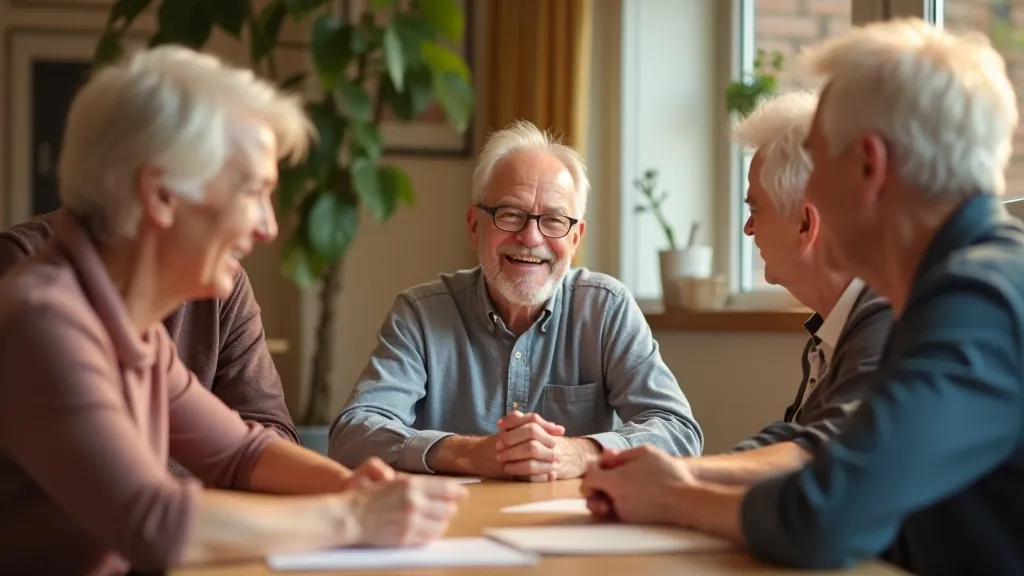
Retirement changes your daily structure. You're not going to an office, you're not seeing colleagues, and suddenly there's space in your schedule that used to be filled. That's when community becomes essential — not just nice to have, but genuinely important for staying engaged and healthy.
We've worked with hundreds of retirees across Pardubice, Zlín, and surrounding regions. The pattern's consistent: people who find their community group within the first few months of retirement adjust better. They've got something to look forward to, people to talk to, and activities that actually matter to them. Not forced fun. Real connection.
These are the backbone of senior social life in Czech communities. You'll find them in almost every town — they're typically run by municipalities or local organizations. Most operate 2-4 days per week with activities like card games, lectures, fitness classes, and craft workshops.
What we hear most from people who join: "It's low-pressure and genuinely friendly." You don't need to commit to anything long-term. Drop in when you can. The Pardubice region has about 8 active clubs, with the central one in Palackého Square hosting 30-40 people most afternoons.
Hiking clubs, book circles, gardening societies, and sports groups specifically for 60+. These tend to be more structured than clubs — they meet on set schedules, have clear activities, and attract people with specific interests. You'll find hiking groups that go out every other Saturday morning, tennis players who meet twice weekly, or readers who gather monthly.
The advantage? You're with people who share something you actually care about. Not just showing up because you need to get out of the house.
This might sound formal, but it's not. These are educational programs where retired professionals teach short courses on topics that interest them. Photography, history, languages, philosophy — you name it. Classes usually run for 4-8 weeks. The Zlín U3A program has been running since 2008 and consistently draws 60-80 participants per semester.
People who join U3A often say it keeps their brain sharp and introduces them to people with intellectual curiosity. You're learning something, meeting others, and there's a clear ending point if you want to try something different next semester.
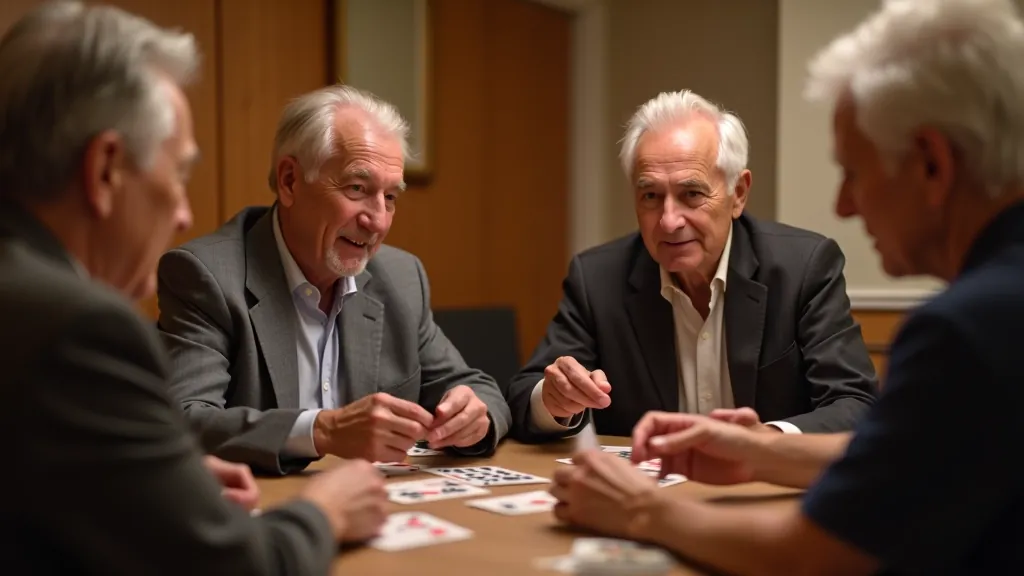
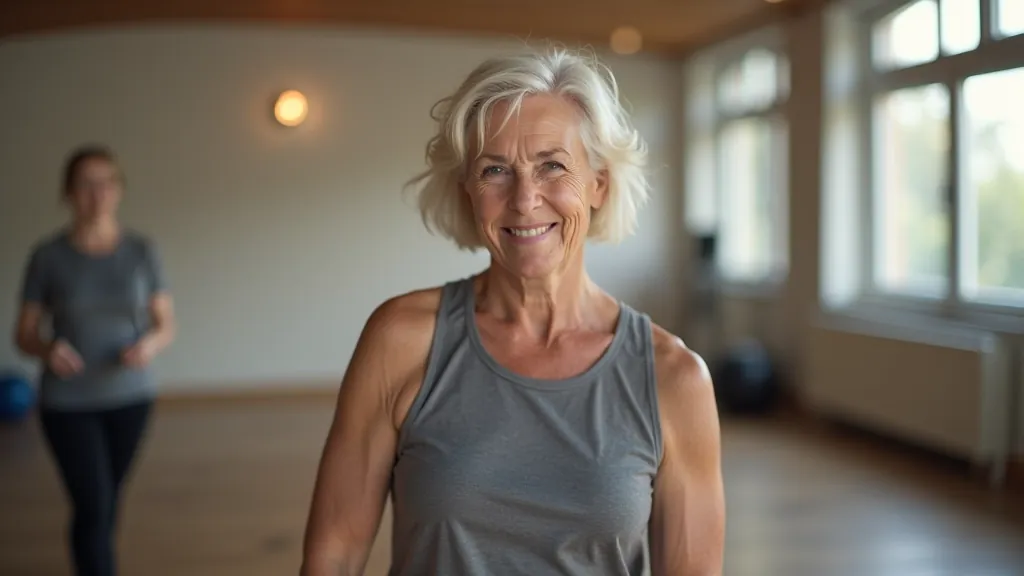
Let's be honest — walking into a group where you don't know anyone can feel awkward. But here's what actually happens most of the time: someone notices you're new, introduces themselves, and before you know it, you're having a conversation about something specific. Not forced small talk.
Start with your town or nearest city. Most regions have websites or notice boards listing clubs. The Pardubice regional council publishes an updated directory every quarter. Ask at your local library or healthcare center — they usually have contact info for active groups.
You don't need to pre-register for most clubs. Just call and ask when they meet, then show up 10 minutes early so someone can point you to the right room. It's that simple.
First visits feel different. People are busy, conversations are happening, you're finding your way around. Give it a few visits before deciding if it's right for you.
The most common concern we hear? "Will I fit in?" The answer's usually yes. People joining at 60, 70, or 80 find their place. What matters is showing up with an open attitude.
This guide provides informational resources about community groups and social networks available to seniors in the Czech Republic. Specific programs, schedules, and availability vary by location and change seasonally. We recommend contacting local municipal offices, libraries, or healthcare providers directly to verify current group details before visiting. While community engagement is generally beneficial, individual circumstances differ — consult with healthcare professionals if you have specific health concerns about participation.
Both regions have well-established senior networks, but they've got different flavors. Knowing what to expect helps you find the right fit.
Pardubice has strong club culture with roots going back decades. You'll find more traditional activities here — card games, lectures on local history, craft workshops. The main club in the city center hosts about 40-50 people on busy days. Plus, there's an active hiking group that meets Saturdays and a tennis club with a dedicated 65+ bracket. The region also hosts regular U3A seminars at the local library.
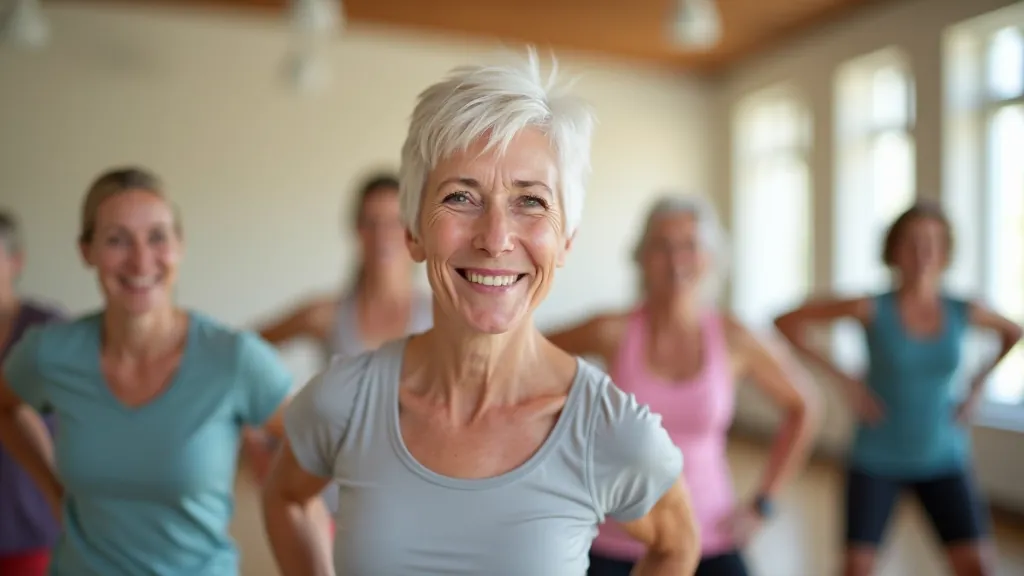
Zlín leans slightly more toward structured programs and activity groups. The U3A program here is particularly strong — they offer photography, painting, and language classes that draw people from surrounding towns. There's also a wellness-focused group that combines gentle fitness with social time, which appeals to people managing various health considerations.
Pro tip: If you're between these two regions, you can attend activities in both. Many people from smaller towns travel 30-45 minutes for programs they genuinely care about. Don't limit yourself to what's immediately local.
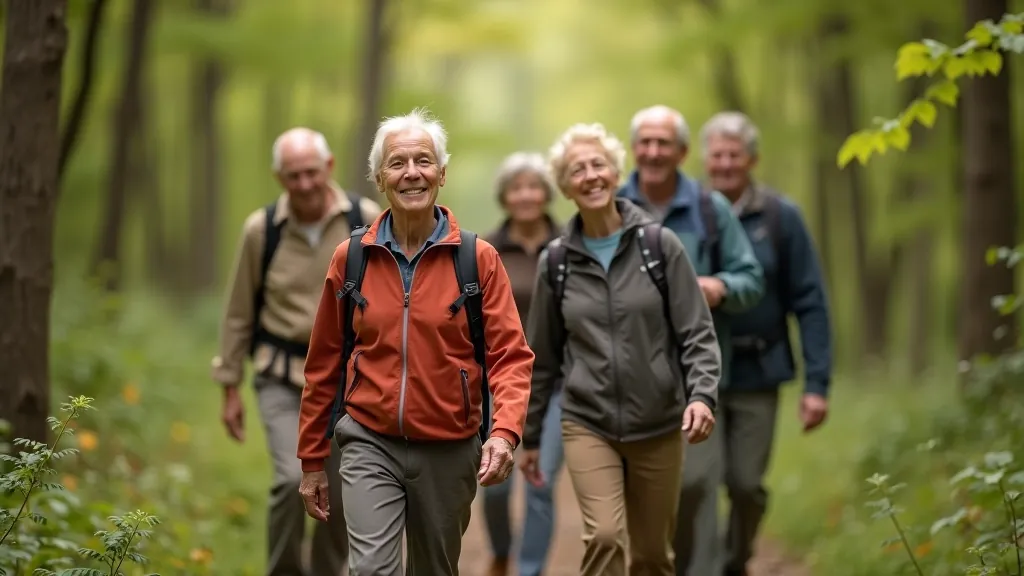
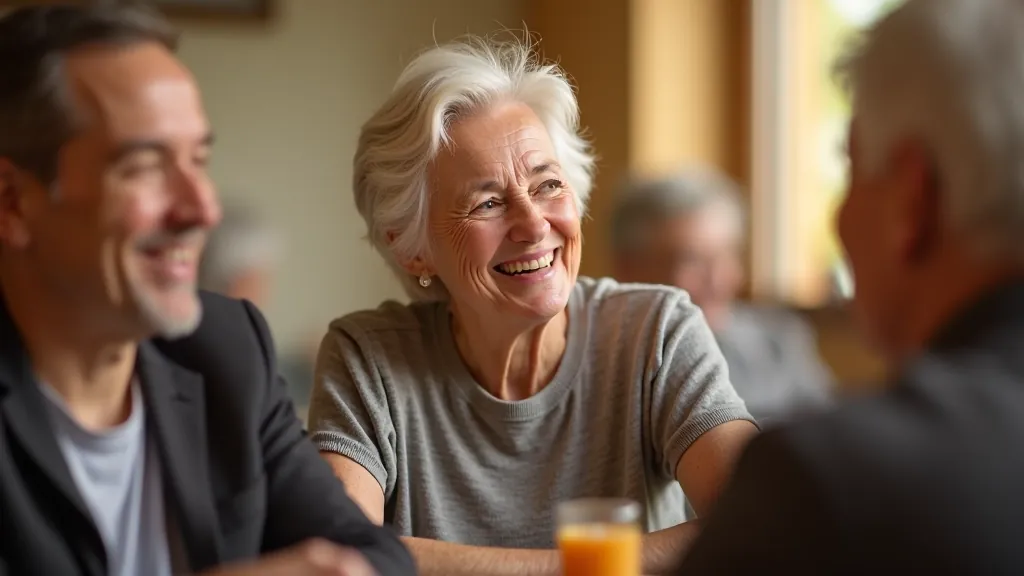
"I wasn't sure about going the first time. I thought it'd be quiet people sitting around. But the card game group is loud, competitive, and actually funny. I've made real friends, not just acquaintances."
People stick with community groups when they find the right match. Václav wanted competitive activity with people his age. He got it. Someone else might want quiet learning time, which the U3A provides. Another person might need physical activity alongside social time — the hiking groups deliver that.
The common thread? They all showed up despite feeling uncertain. First visits are weird. Second visits are better. By the fourth or fifth visit, you've got context. You know who the jokers are, who's got knowledge to share, where you fit in the dynamic. That's when community becomes real, not just an obligation.
Building a network doesn't happen overnight. But it doesn't require anything special either. It just takes walking through the door.